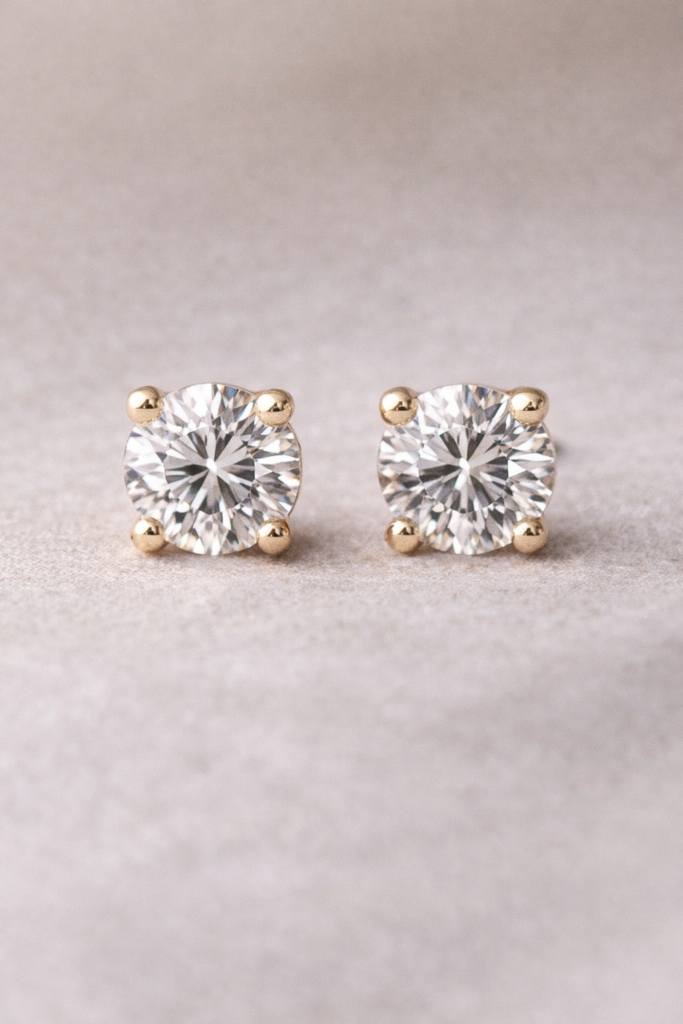
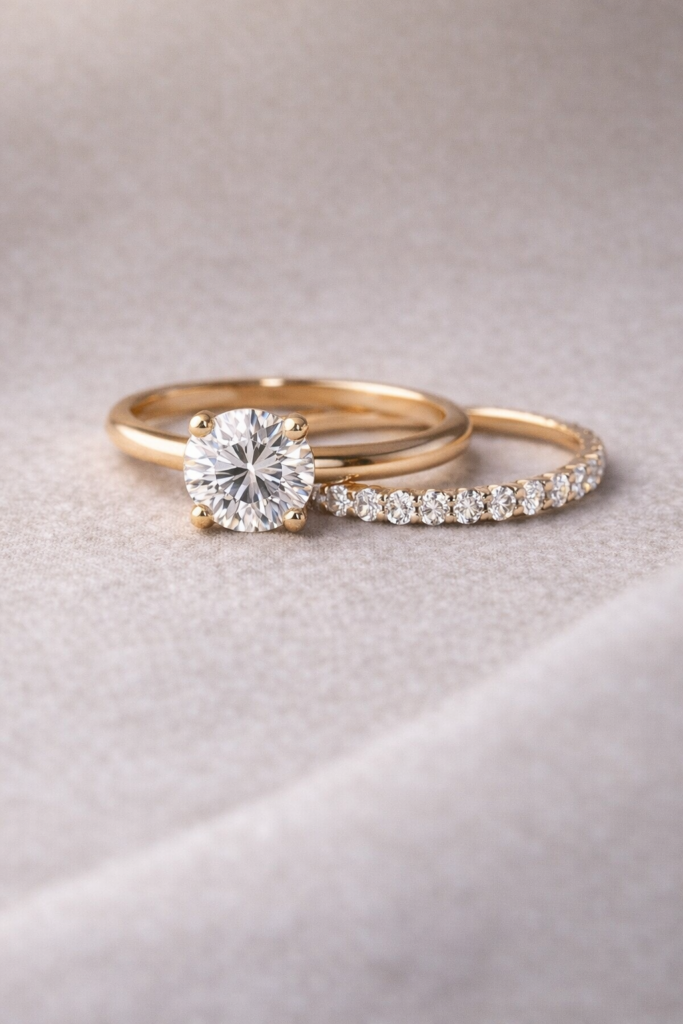
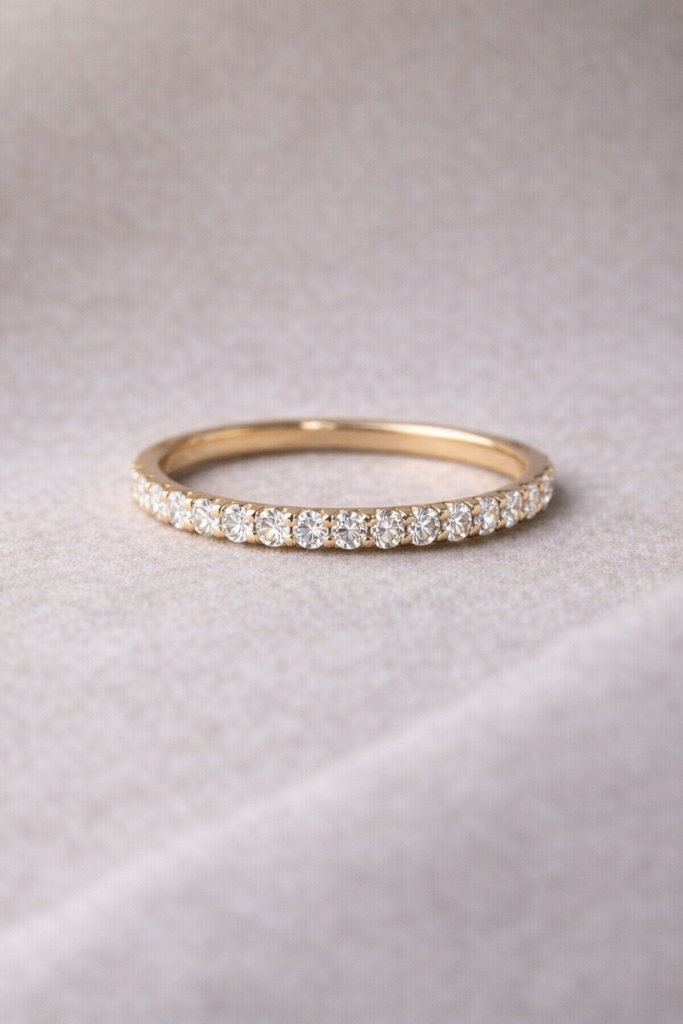
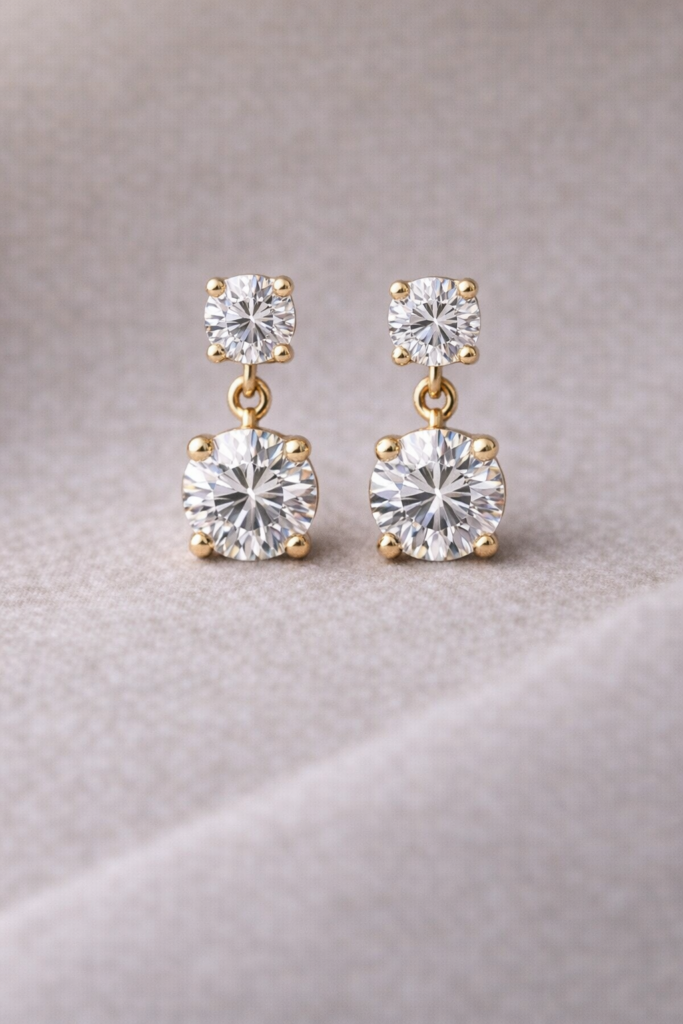
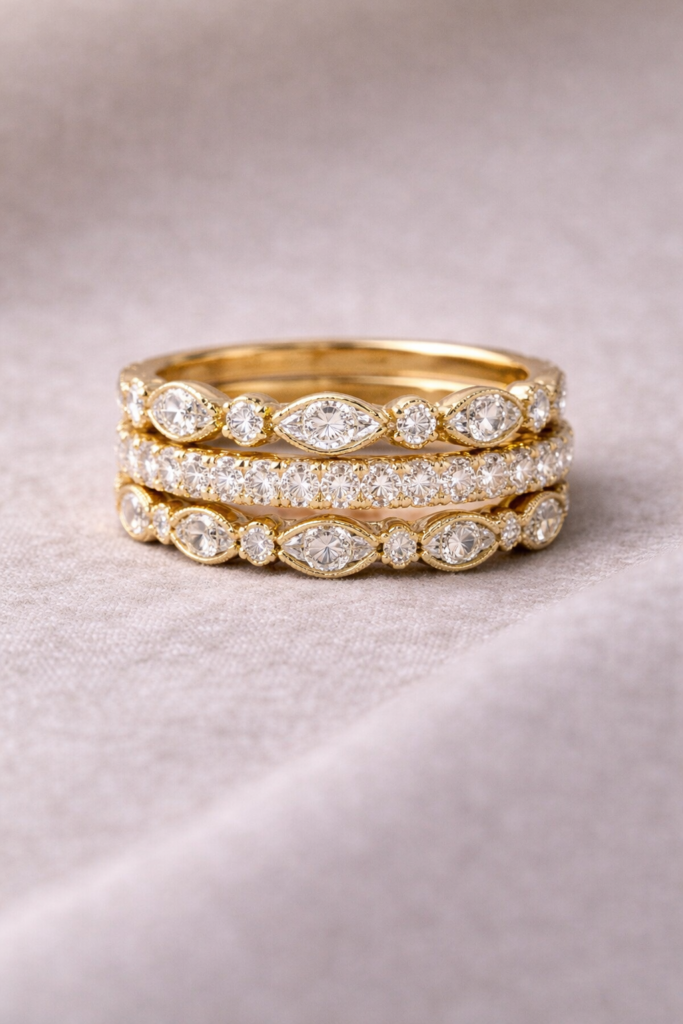
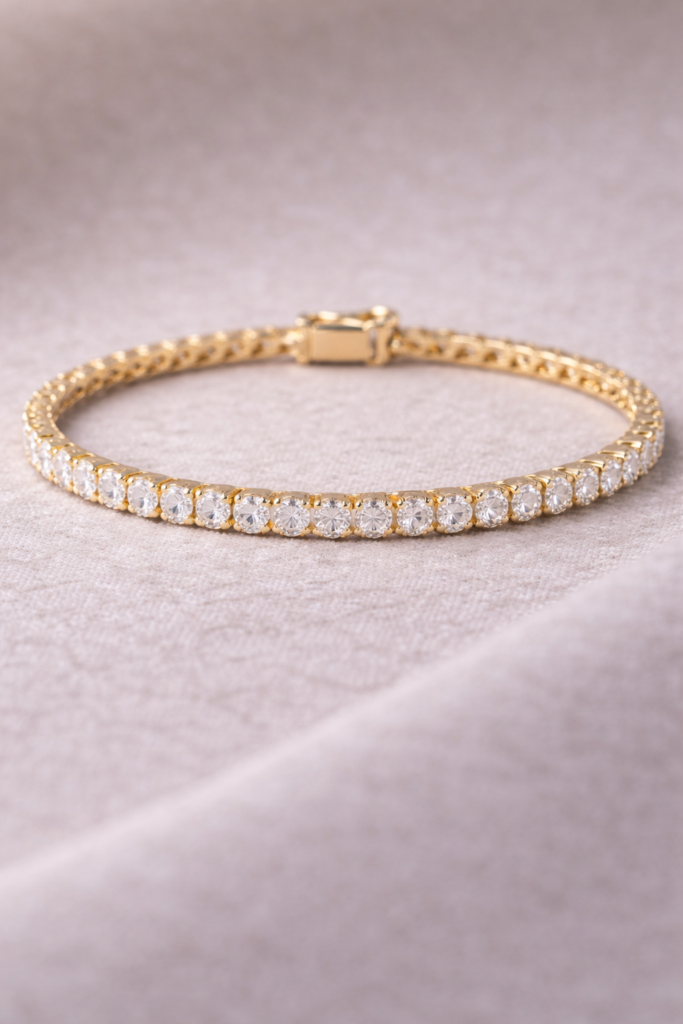
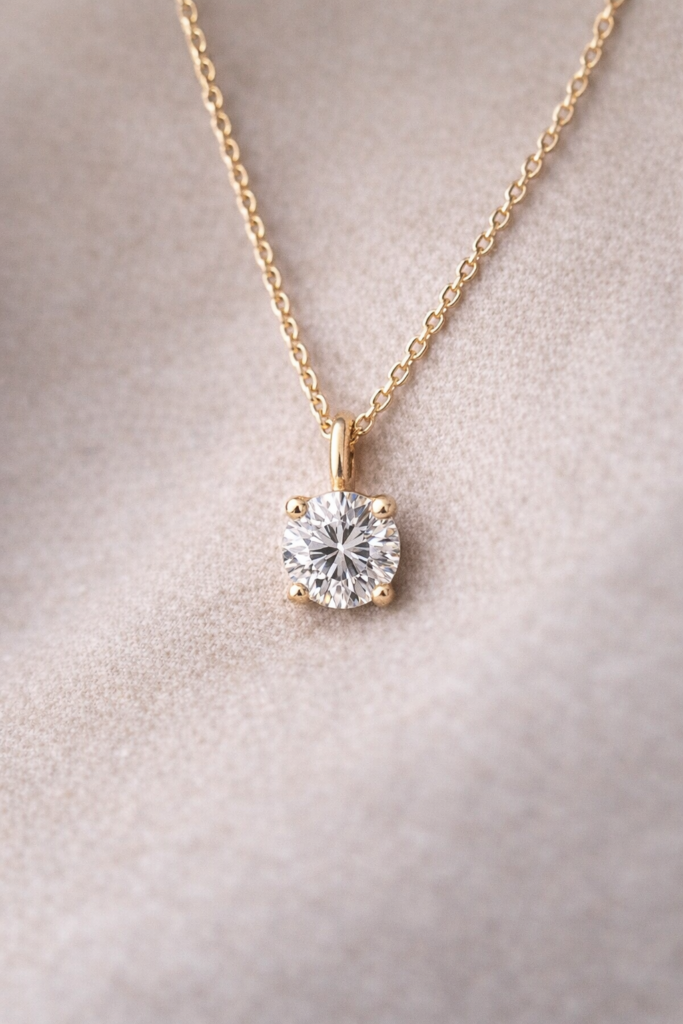
- Luxury that makes sense
Diamonds, redesigned for modern life.
Ziva was created in response to a shift. People no longer buy diamonds because they’re told to — they buy when it feels right.
Diamonds became complicated, ceremonial, and intimidating. Ziva removes the noise. We design lab-grown diamonds with clarity, restraint, and intention — so choosing something beautiful feels natural again.
Why lab-grown — the Ziva way
Not a compromise. A smarter approach. Precision, transparency, design, value — explained simply.
A clearer way to understand lab-grown diamonds
Lab-grown diamonds are increasingly chosen by people who value transparency, thoughtful design, and modern innovation. Created in controlled laboratory environments rather than mined from the earth, they offer a clear alternative to natural diamonds—without changing what a diamond fundamentally is.
This section explains how lab-grown diamonds are made, what makes them real diamonds, and how to evaluate their quality—so you can make an informed decision, at your own pace.
What are lab-grown diamonds?
Lab-grown diamonds—also called lab-created or cultured diamonds—are formed using advanced technology that replicates the natural conditions under which diamonds grow. While natural diamonds develop deep within the earth over millions of years, lab-grown diamonds are created in laboratories over a much shorter time frame.
- There are two established methods used in diamond growth:
High Pressure High Temperature (HPHT), which recreates the heat and pressure found beneath the earth’s surface, and - Chemical Vapor Deposition (CVD), which allows carbon atoms to gradually build onto a diamond seed.
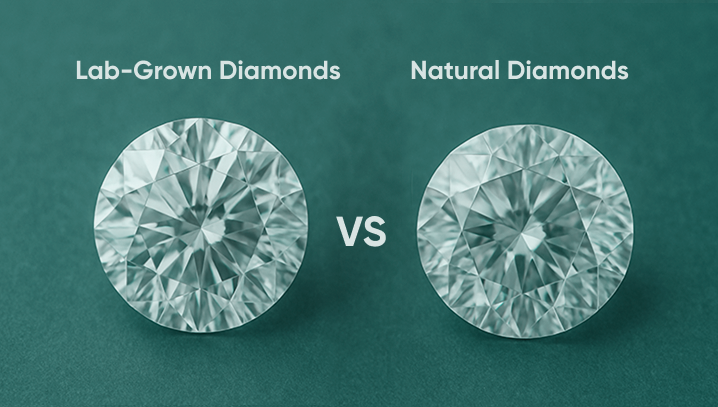
Despite the difference in origin, lab-grown diamonds are chemically, physically, and optically identical to natural diamonds.
Are lab-grown diamonds real?
Yes. Lab-grown diamonds are real diamonds in every scientific sense. They share the same structure, hardness, and brilliance as natural diamonds and are graded using the same standards.
The only difference is how they are formed—one in the earth, the other in a laboratory. The result is the same.
Why people choose lab-grown diamonds
Lab-grown diamonds are often chosen for their clarity of origin, controlled production, and more efficient use of resources. Because they are created without mining, their supply chains are typically more transparent.
They are also generally more accessible in price, as laboratory production avoids many of the costs associated with extraction, transport, and large-scale mining operations. For some, this allows greater flexibility in size or design without compromising on quality.
Understanding the 4Cs
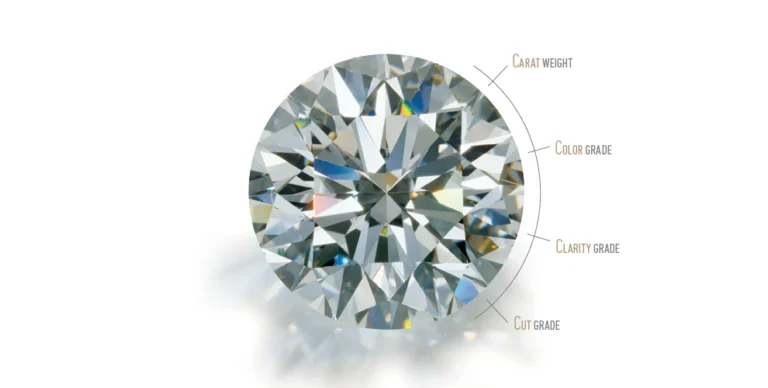
Lab-grown diamonds are evaluated using the same four criteria as natural diamonds:
Cut — how well the diamond is shaped and finished, influencing brilliance
Colour — the absence of visible colour, with colourless grades being the most sought after
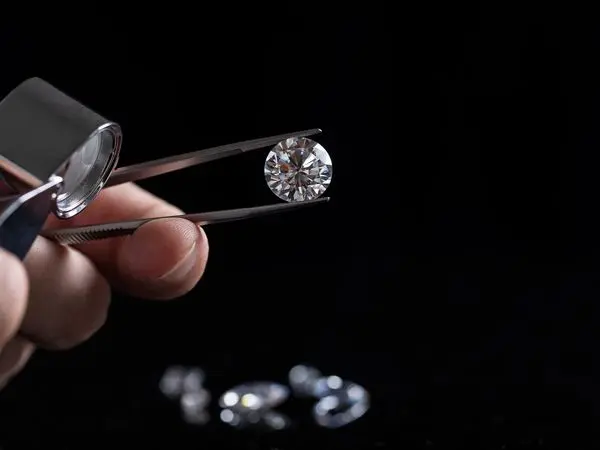
Clarity — the presence or absence of natural inclusions, assessed under magnification
Carat — the diamond’s weight
These characteristics are documented in a grading report issued by an independent gemmological laboratory, such as the GIA or IGI. Certification provides assurance of quality and authenticity and is an essential part of buying any diamond.
Choosing with clarity
Both lab-grown and natural diamonds have their place. Natural diamonds are valued for rarity and tradition, while lab-grown diamonds appeal to those who prioritise transparency, precision, and a modern approach to design.
The right choice depends on what matters most to you.
Ziva exists to make that choice clearer—not louder.
How Lab-Grown Diamonds Are Made
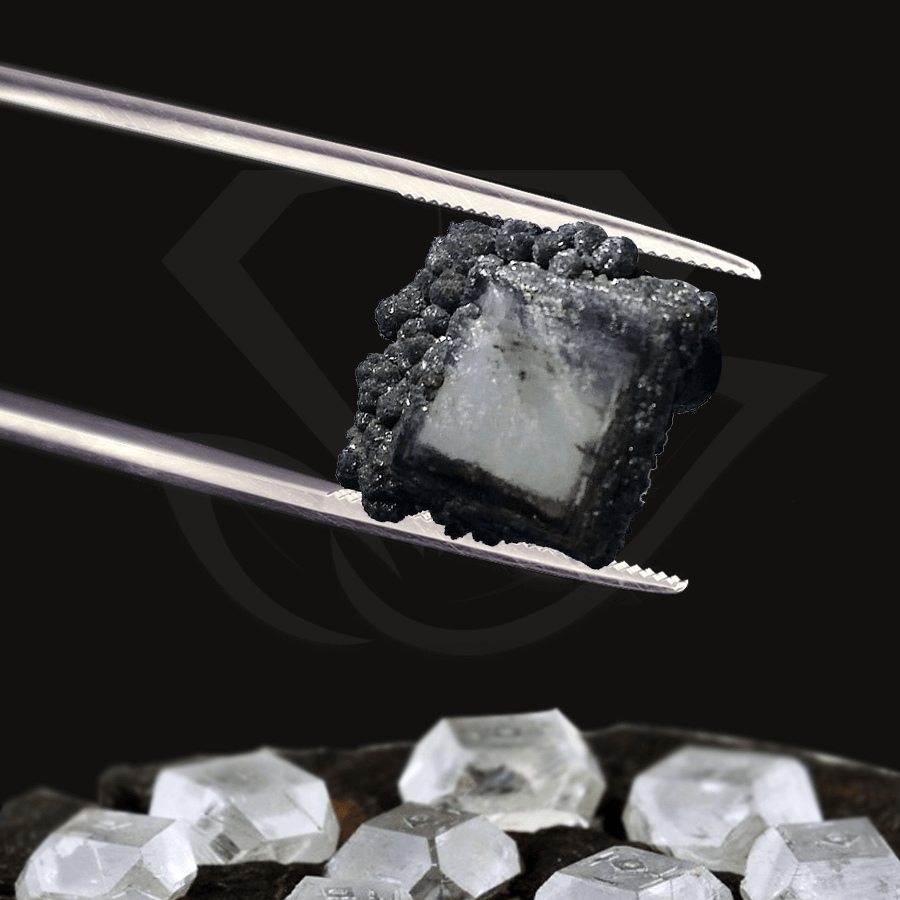
- Step 1
Diamond Seed
We begin with a small diamond seed. It’s placed in a high-temperature oven and left to grow, just like in the Earth’s core.
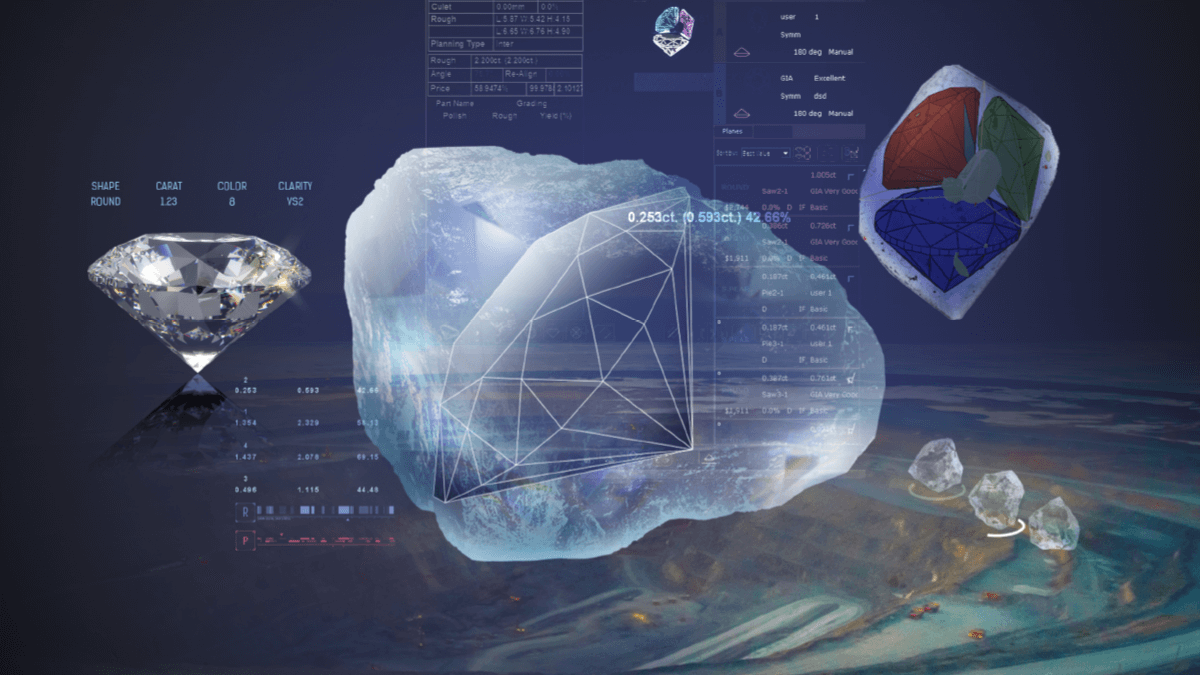
- Step 2
Scanning & Marking
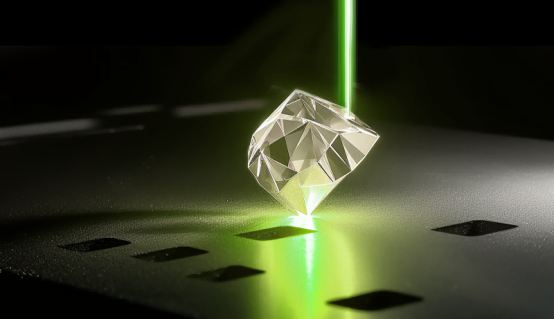
- Step 3
Laser Cut
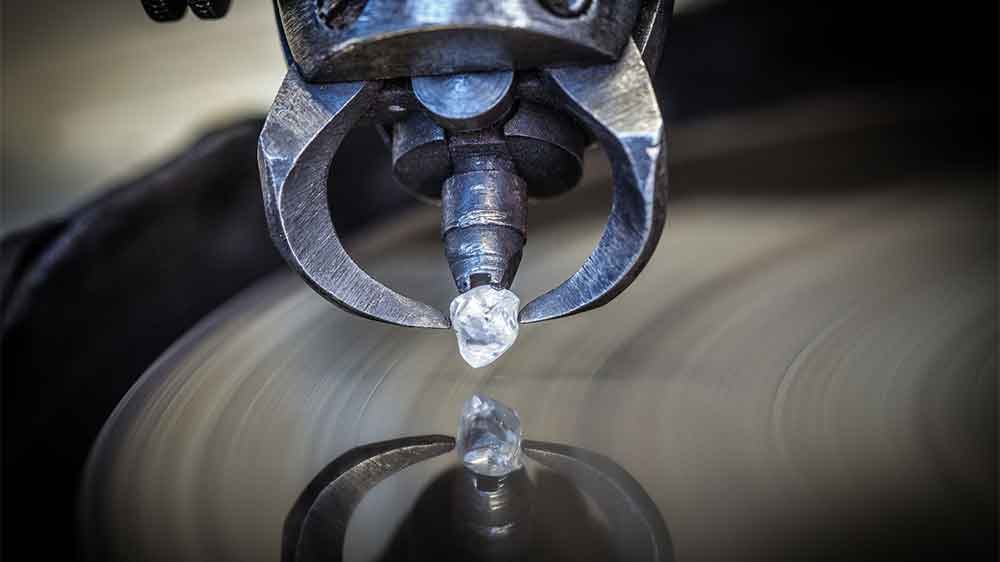
- Step 4
Polish
- Step 5
Certification
Why lab-grown — the Ziva way
Not a compromise. A smarter approach. Precision, transparency, design, value — explained simply.
About Lab-Grown Diamond
Lab-grown diamonds are increasingly chosen by people who value clarity, quality, and considered design. Created in controlled laboratory environments rather than mined from the earth, lab-grown diamonds offer a modern alternative to natural diamonds—without changing what a diamond fundamentally is.
Lab-grown diamonds share the same chemical composition, physical properties, and crystal structure as natural diamonds. In every scientific and practical sense, they are real diamonds. The difference lies only in how they are formed.
Whether lab-grown diamond jewellery is the right choice depends on what matters to you. Below are some of the reasons people choose lab-grown diamonds, and how they are shaping a more thoughtful future for diamond jewellery.
Clear quality, by design
One of the advantages of lab-grown diamonds is the level of control in how they are created. Their size, colour, and clarity are guided in a controlled environment, rather than shaped by unpredictable conditions beneath the earth’s surface.
Because lab-grown diamonds form with less internal strain, they often show fewer inclusions and more consistent clarity. This allows for diamonds that appear whiter, brighter, and more refined—making lab-grown diamonds a reliable choice for those who value precision and thoughtful design in diamond jewellery.
Clear origins, understood sourcing
Lab-grown diamonds are created without mining, which means their origins are clear and traceable from the start. Unlike natural diamonds, whose sourcing can sometimes be difficult to verify, lab-grown diamonds are produced in controlled laboratory environments with transparent supply chains.
Because they are created without extraction or conflict-related concerns, lab-grown diamonds are conflict-free by default. This clarity offers peace of mind for those who prefer to understand exactly where their diamond comes from—and how it was made.
Value without compromise
Lab-grown diamond jewellery is often more accessible in price while maintaining the same physical and chemical qualities as natural diamonds. Traditional diamond mining requires extensive labour, equipment, and transportation, which contributes to higher costs.
Lab-grown diamonds are produced more efficiently in laboratory settings, using fewer resources and less time. As a result, lab-grown diamonds are typically priced lower than natural diamonds, allowing more flexibility in size or design without compromising on quality.
A more considered environmental impact
Diamond mining is a resource-intensive process that involves large-scale excavation, heavy machinery, and significant fuel use. Lab-grown diamonds also require energy, but many producers increasingly rely on renewable sources such as solar or wind power.
While no diamond is impact-free, lab-grown diamonds offer a more controlled and often more sustainable alternative, particularly for those who prioritise environmental considerations when choosing diamond jewellery.
Choosing what matters to you
Both lab-grown and natural diamonds have their own qualities and appeal. Natural diamonds are valued for their rarity and long-standing traditions, while lab-grown diamonds are chosen for their clarity, transparency, and modern approach to design.
The right choice depends on what you value most. Ziva exists to make that choice clearer—not to make it for you.
Designed to make sense.
A focused selection — designed to live with you, not sit in a box.
No rush. No Pressure
Visit Ziva on Instagram or Talk to Ziva on WhatsApp
We’ll explain — simply, honestly. No scripts. No pressure.